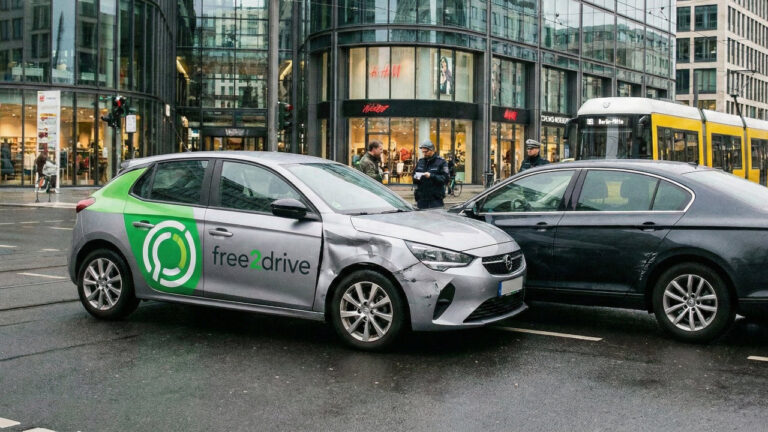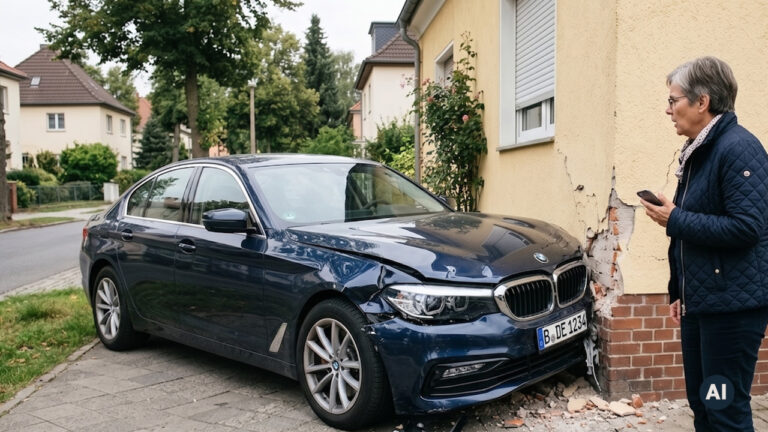
Anyone who has caused an accident must pay for the damage. However, it is not uncommon for the person responsible for the accident not to admit fault or even to make false statements.
In this case, you should document the accident as well as possible and secure evidence. Call the police at the scene of the accident if there is disagreement about who was at fault.
Decisive: How the question of guilt is clarified
In principle, the following applies: The party responsible for the accident or their liability insurance must pay for all damages incurred. The other party involved in the accident is obliged to restore the injured party's condition as it was before the traffic accident.
However, it is not always easy to determine who was at fault. In order to find out who is at fault for the accident, the course of the accident is scrutinised closely, as damage, skid marks and other evidence can be used to assess the apportionment of blame.
You should do these things to document the exact course of the accident and thus clarify the question of fault more easily:
- document the accident at the scene as precisely as possible - preferably with a Accident sketch and many photos from different perspectives
- Find independent witnesses
- Call the police to the scene of the accident
TIP: If you report your accident to us via the fairforce.one portal, you will receive a qualified initial assessment of the apportionment of blame from our traffic law experts within 24 hours of providing all the necessary data.
Accident victims like you get the best support from fairforce.one.
Have your accident reported now free of charge and without obligation by our regulation specialists.
How the police and witnesses can help you if the other party provides false information
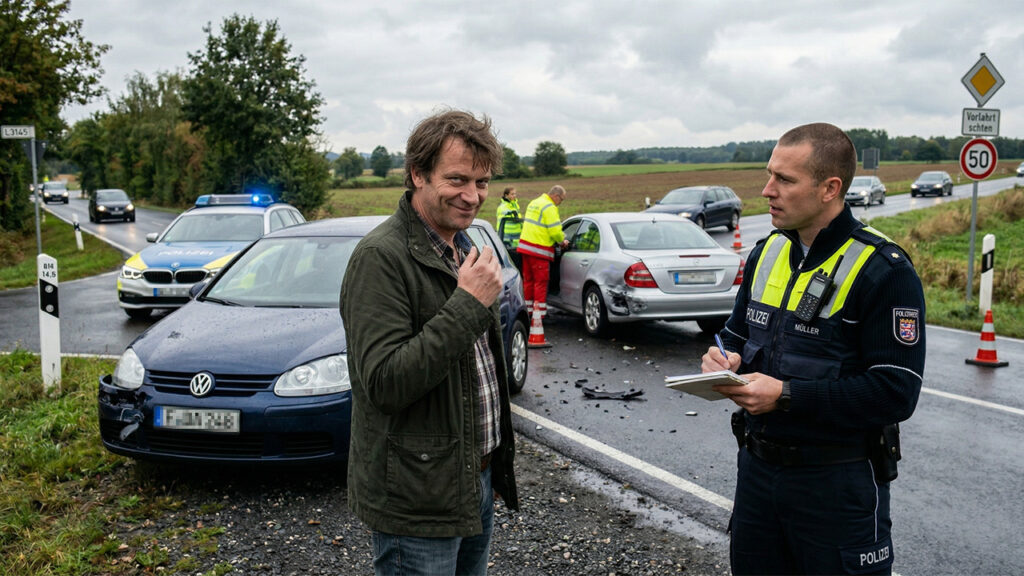
Clarifying the question of fault is made more difficult if the other party in the accident provides false information. This makes it impossible to reconstruct the course of the accident properly. It is now a case of statement against statement. In this case, the police are absolutely essential. The police can use evidence at the scene of the accident to check what happened and thus uncover any false statements made by the other party.
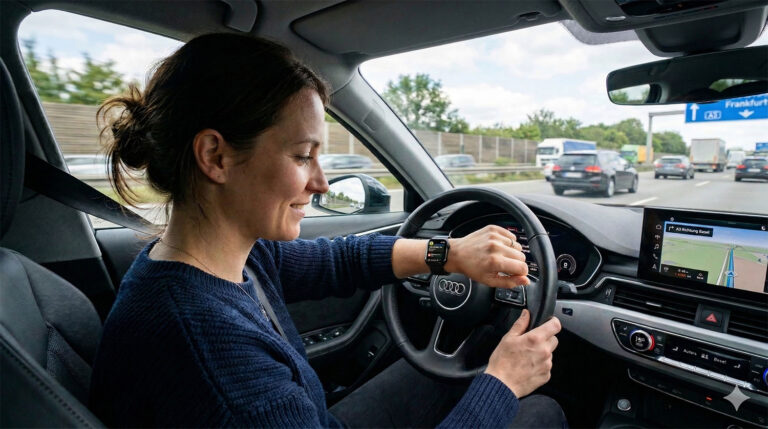
Independent witnesses who were able to observe the traffic accident can help to clarify the course of the accident. Recordings of a Dashcam are considered a reliable source for clarifying what happened.
- If the person who caused the accident does not admit fault, call the police in any case - even for minor damage.
- Look out for witnesses at the scene of the accident and make sure you have their statements documented by the police.
False information from the person responsible for the accident - Don't let yourself be put off
If you have called the police at the scene of the accident as a precaution and documented the witness statements, nothing stands in the way of a correct claims settlement. Even if the person responsible for the accident acts according to the motto “He who shouts the loudest is right”, you should not be impressed by this.
It is particularly important that you do not allow the other party to the accident to mislead you into making an incorrect statement or admitting guilt, as this can have a negative impact on your claim settlement. As the party involved in the accident, you should therefore remain calm and react in a level-headed manner.
Under no circumstances should you sign an untrue admission of guilt or an accident report on the spot that puts you at an unfair disadvantage - even if the other party puts you under pressure.
How to keep a cool head even if the other party in the accident makes a false statement
With us, you are taking the smart route, because we take care of your claims settlement.
Save time and nerves with us:
With our network of experts, we check your claims after a road accident. You don't have to continue to deal with the other party involved in the accident, the police, the insurance company and so on. Because we communicate with all parties involved in claims management - from A for lawyer to Z for witness.
Always be up-to-date with us:
With our customer information system - the so-called HIS - you always have an up-to-date overview of your case without a huge pile of paper. Not only can you easily call up the status of your case via smartphone or PC, you can also view important documents such as expert reports or invoices - without any complicated installation.
Be quick with us:
You can report your accident to us within 2 minutes. How does it work? Simply online or by telephone on the toll-free number 0800 - 30 111 60. A specialist from our network will call you back after the accident report and discuss the next steps with you. We will now take care of the complete settlement of your claim. From now on, you can relax: Sit back and relax!
Frequently asked questions on the subject of false statements by the other party involved in an accident
What to do if the other party in the accident does not admit fault?
Stay calm and secure evidence immediately. Take photos of the accident situation, make a sketch and call the police directly if it is unclear who was at fault. If you want to be on the safe side, you should seek professional assistance in settling the claim.
Why is the police important if the other party in an accident gives false information?
The police document the accident neutrally and take statements from those involved and witnesses. This can be decisive if there is later testimony against testimony.
Can witnesses help to clarify the question of guilt?
Yes, independent witnesses are often very important in reconstructing the course of the accident. Their statements can invalidate false claims made by the other party involved in the accident.